
In today’s fast-paced world, stress, uncertainty, and change have become constants. Many people struggle to maintain balance as they face personal, professional, and societal pressures. This is where emotional resilience coaching plays a transformative role. Emotional resilience coaching helps individuals build the inner strength to bounce back from challenges, adapt to change, and thrive despite adversity. By developing resilience, people learn not only to cope with difficulties but also to grow stronger because of them.
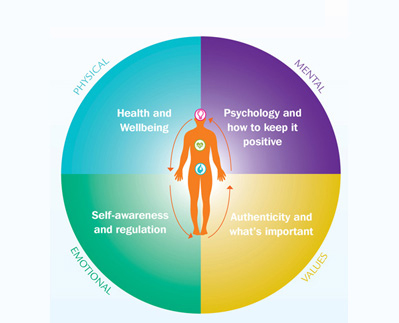
Emotional resilience coaching focuses on empowering individuals to manage emotions effectively and respond to challenges with clarity and confidence. Through guided techniques and personalized sessions, coaches help clients identify limiting beliefs and emotional patterns that may be holding them back. This process fosters self-awareness, which is the foundation of resilience. Emotional resilience coaching emphasizes that resilience is not about avoiding hardship but about facing it with a proactive and balanced mindset.
One of the main benefits of emotional resilience coaching is its ability to reframe how people perceive stress. Many see stress as purely negative, but through emotional resilience coaching, clients learn that stress can be a signal for growth. Coaches teach strategies to manage stress responses, such as mindfulness, breathing techniques, and cognitive reframing. By practicing these tools, individuals develop emotional agility, enabling them to respond thoughtfully rather than react impulsively. Over time, emotional resilience coaching helps people cultivate a mindset that views challenges as opportunities for learning and self-improvement.
Another key aspect of emotional resilience coaching is its focus on emotional regulation. Life’s inevitable setbacks often trigger strong emotions like fear, anger, or sadness. Without proper coping mechanisms, these emotions can lead to burnout or emotional exhaustion. Emotional resilience coaching provides practical tools for managing emotions constructively. Through reflection and guided support, clients learn to recognize emotional triggers and regulate their responses. This balance allows them to maintain composure under pressure and make better decisions, both personally and professionally.
Emotional resilience coaching is also deeply connected to self-compassion. Many people are their harshest critics, which can make recovery from setbacks more difficult. Coaches working in emotional resilience coaching encourage clients to treat themselves with kindness and understanding. This shift in perspective promotes healing and fosters a stronger sense of self-worth. When individuals learn to view mistakes as opportunities for growth rather than signs of failure, they become more adaptable and open to change. This mindset is one of the cornerstones of lasting resilience.
In corporate settings, emotional resilience coaching has gained increasing recognition for its impact on employee wellbeing and performance. The modern workplace often demands adaptability, collaboration, and emotional intelligence. Emotional resilience coaching equips employees and leaders with the skills needed to handle pressure, manage conflict, and sustain motivation. Companies that invest in emotional resilience coaching often see improved morale, reduced absenteeism, and stronger team dynamics. In a world where professional burnout is common, resilience coaching offers a sustainable solution for long-term success.
Emotional resilience coaching also supports individuals navigating major life transitions such as career changes, relationship challenges, or loss. During such times, emotions can feel overwhelming, and clarity may seem out of reach. Emotional resilience coaching helps clients rebuild confidence and regain control over their lives by guiding them through structured reflection and actionable strategies. This process encourages acceptance and helps individuals move forward with purpose and optimism. The skills learned through emotional resilience coaching become lifelong tools for navigating any future uncertainty.
A critical part of emotional resilience coaching is goal-setting and accountability. Coaches work collaboratively with clients to set meaningful goals aligned with their values and emotional wellbeing. Through consistent support and feedback, clients stay motivated and committed to their personal growth journey. Emotional resilience coaching helps individuals build a strong foundation of self-discipline and perseverance, which extends beyond emotional management into all areas of life. As clients achieve their goals, they experience a sense of empowerment that reinforces their resilience even further.
Ultimately, emotional resilience coaching is about transformation. It helps people move from merely surviving to truly thriving. By learning how to manage emotions, embrace change, and maintain perspective, individuals become more grounded and confident. Emotional resilience coaching teaches that resilience is not a fixed trait but a skill that can be developed and strengthened over time. This realization allows people to approach life with greater courage and compassion, both for themselves and for others.
In conclusion, emotional resilience coaching offers a powerful path to personal growth and wellbeing. It provides practical strategies for handling stress, managing emotions, and building confidence in the face of adversity. Whether applied in personal life, relationships, or professional environments, emotional resilience coaching empowers individuals to rise above challenges with strength and grace. In a world where uncertainty is inevitable, the ability to remain calm, focused, and adaptable is invaluable. Through emotional resilience coaching, anyone can cultivate the inner resilience needed to not only withstand life’s storms but also emerge from them stronger than before.